Guide to Vietnamese Pronouns
If you’re planning to visit a country where English isn’t the native language it’s super important to make an effort to learn at least some basic words and phrases. Even if all you learn is how to say hello and thank you in that language it will truly make a world of difference in your experience of that country as well as the experience the people of that country have of you.
This absolutely applies to Vietnam where English isn’t spoken as widely as people might assume. If you’re staying in touristy areas then there will be English speaking staff to assist you, but that might not be the case for the woman working at the bánh mỳ cart down the street. It would be an absolute shame if you saved up your money and flew across the world to then be too nervous to talk to people and not have the beautiful rich experience you could’ve had. I want you to go up to that food stall that intrigued you, filled with rainbow colored jellies in big glass bowls, and not let fear prevent you from taking a seat on that little plastic stool.
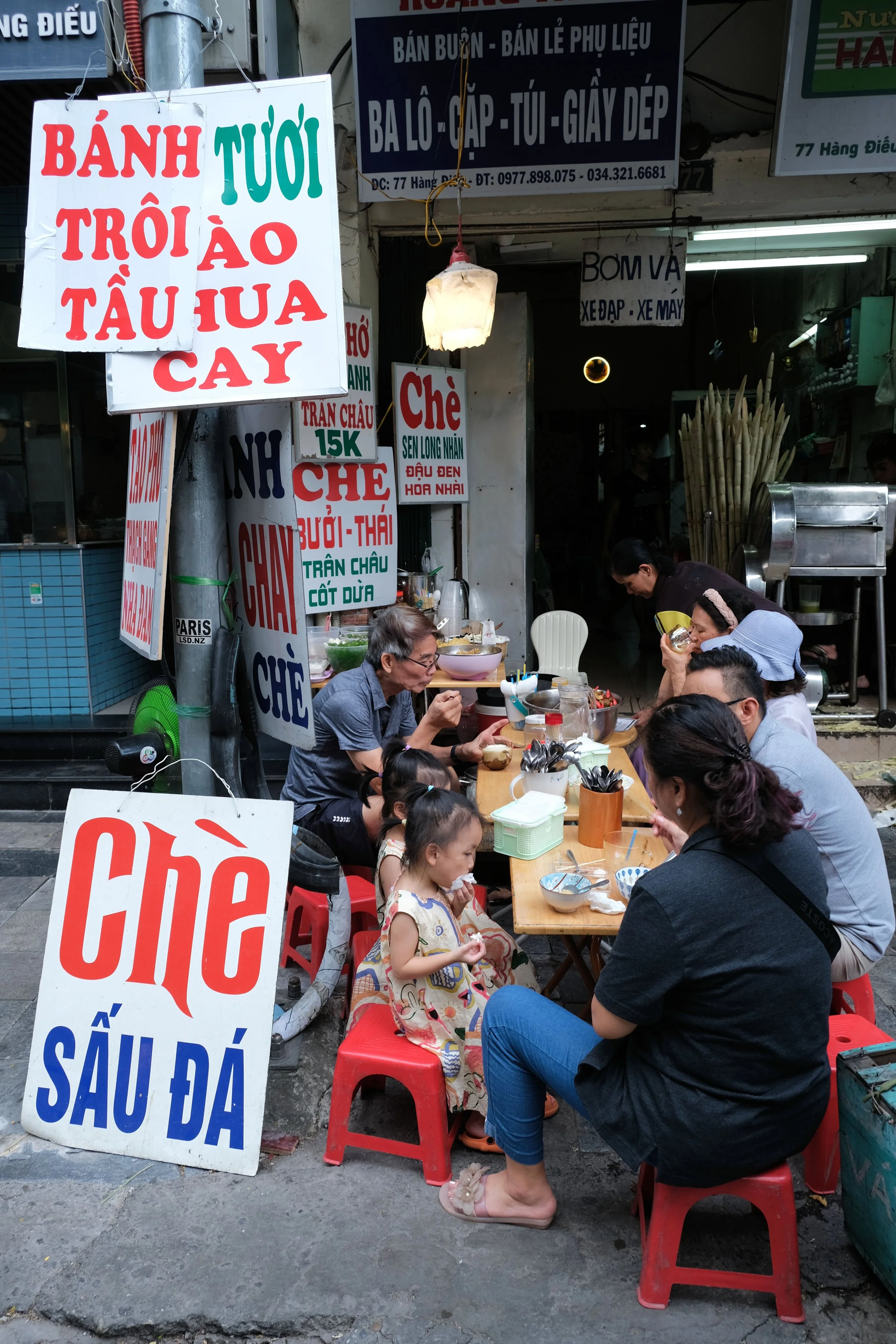
So, if you don’t want to spend your whole trip typing into Google translate and want to make yourself really proud ordering that coconut coffee you’ve been dreaming about, without sounding like a tây balô (Western backpacker), then learning the proper pronouns to use is the perfect place to start. Trust me, the locals will be super impressed and appreciative.
The most important thing to know when it comes to Vietnamese pronouns is that it all depends on age and gender, of both the speaker and the listener. In English we just have “I” and “you” but in Vietnamese it’s a little bit more complicated than that. Respect for elders is a very important part of Vietnamese culture and that is also reflected in the language. So the pronoun you’re going to use for yourself and the person you’re talking to will all depend on if you’re younger or older than them, how much older or younger, and both of your genders. Let me break each one down for you.
Tôi
This is typically the first pronoun people learn for “I”. Honestly Vietnamese people rarely use this pronoun when referring to themselves. It’s predominantly just used by foreigners who aren’t quite confident in their ability to choose the appropriate pronoun yet. Nonetheless, it’s great to know for situations when you aren’t quite sure what to call yourself or if you’re talking to a group of people who are different ages. It’s neutral and won’t offend anyone so it’s good to have in your back pocket.
Example: Tôi muốn đi dụ lịch Việt Nam. I want to travel to Vietnam.
Bạn
Bạn is used only for “you” and it refers to someone the same age as you regardless of male or female. In general I would say most people use a pronoun that reflects the person they’re talking to being older or younger until they find out their actual age. If someone is born the same year as you then bạn is most likely what you will call them.
Example: Bạn thích cà phê trứng không? Do you like egg coffee?
Mình
Mình is the pronoun for “I” when the other person is bạn. You can also call yourself mình, as opposed to using tôi, if you’re talking to a group of people who are different ages.
Example: Mình rất buồn vì nhà hàng này không có phở. I’m so sad because this restaurant doesn’t have pho.
Anh
Anh is used for both “I” and “you” depending on the speaker and listeners age. Anh is what you would call a male who is slightly older than you. Ranging from roughly one to ten years older. Like an older brother. Or if you’re male and talking with someone who is slightly younger than you then you would refer to yourself as anh.
Example: Anh ơi, cho em một bát bún cá. Give me one bowl of fish noodle soup.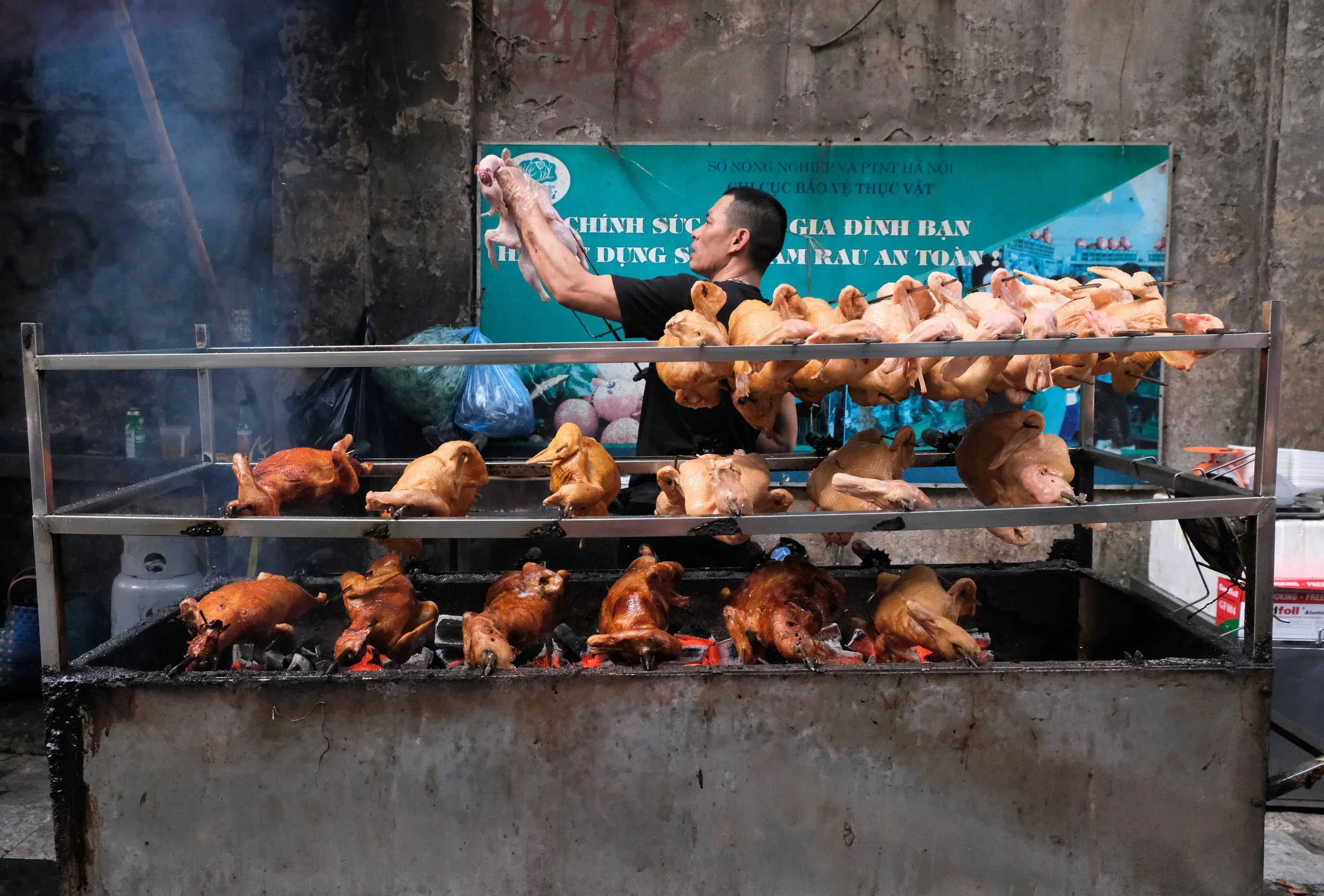
Chị
Chị is the female equivalent of anh. So this is what you would call a female who is slightly older than you, like an older sister who is in the same generation as you. And if you’re a female and you’re talking with someone who is slightly younger than you, like a younger sibling, then you would refer to yourself as chị.
Example: Áo dài của chị đẹp quá. Your dress is so beautiful. 
Chú
Chú is used for a male who is slightly younger than your parents. Too old to be referred to as an older brother but too young to be your dad. Even if they do look like they’re about the same age as your parents it’s better to just call them chú and assume they’re a bit younger than that. And if you’re a male and talking to someone who is young enough to be your niece or nephew then you would refer to yourself as chú.
Example: Chú có đi xe máy không? Do you ride a motorbike?
Cô
Cô is the female equivalent of chú. This is what you’re going to call the women who look like they could be your young aunt. Roughly about twenty to thirty years older than you. Say you’re 20 years old and the woman you’re talking to looks about 45 you would call her cô. And vice versa if you’re a 45 year old woman and talking to someone who looks about 20 you would call yourself cô.
Example: Cô ơi, nước ép dứa bao nhiêu tiên? How much does the pineapple juice cost?
Em
Em is used for both male and female. This is the pronoun you would use for yourself when talking to someone older than you like an older brother/sister or young uncle/aunt as described above. And this is what you would use to refer to someone younger than you regardless of if they are male or female.
Example: Em là người Mỹ. I am American.
Bác
Bác is also used for both male and female and is used to refer to someone who is a bit older than your parents. Like an older aunt or uncle but not old enough to be your grandparents. This is what you would refer to yourself as if you are a male or female and are talking to someone who is young enough to be your child. If you’re 65 years old and talking to someone who is about 25 then you would refer to yourself as bác. In Vietnam you will commonly hear people referring to the political revolutionary and first president of Vietnam, Hồ Chí Minh, as bác Hồ as a sign of respect and to reflect a sense of closeness by referring to him as an uncle.
Example: Bác có trà quất không? Do you have kumquat tea?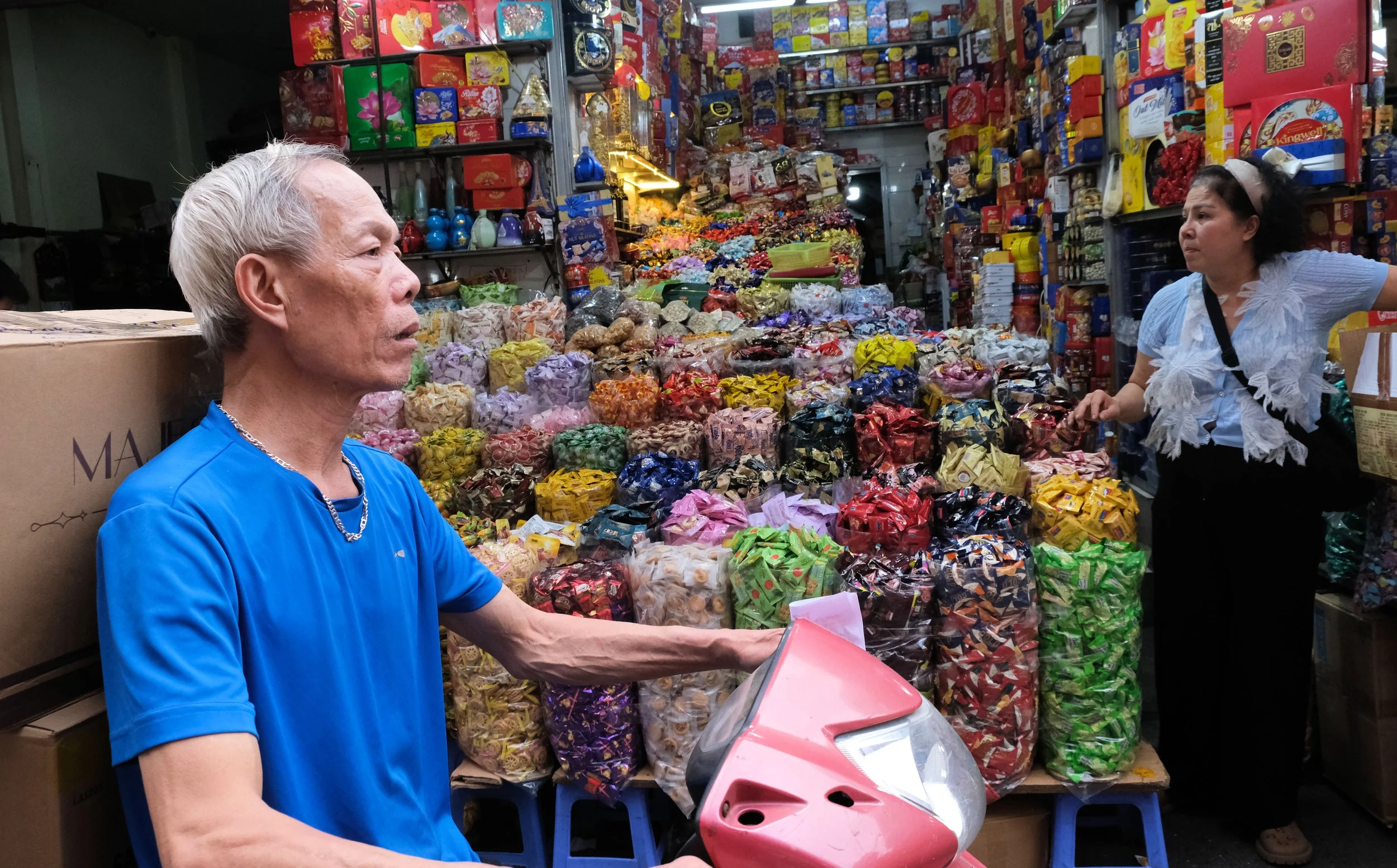
Ông
Ông is the pronoun used for grandpas. This is what you will call elderly men above the age of about 70. Note that regardless of how old you are you will still refer to elderly men as ông. It’s a sign of respect to elderly people to be referred to that way. So, even if you’re 60 and the man you’re talking to is 85 you wouldn’t refer to him as chú, you’d refer to him as ông to show respect.
Example: Ông có ngủ trưa mỗi ngày không? Do you take a nap everyday? 
Bà
Bà is the pronoun used for grandmas. Exactly the same rules apply for using bà as they do for ông, just for women instead. This is what you’re going to call the adorable grandmas you see sitting around a table on the sidewalk in their matching shirt and pant sets playing card games.
Example: Bà có món bún chả ngon nhất ở Hà Nội. You have the best bun cha in Hanoi.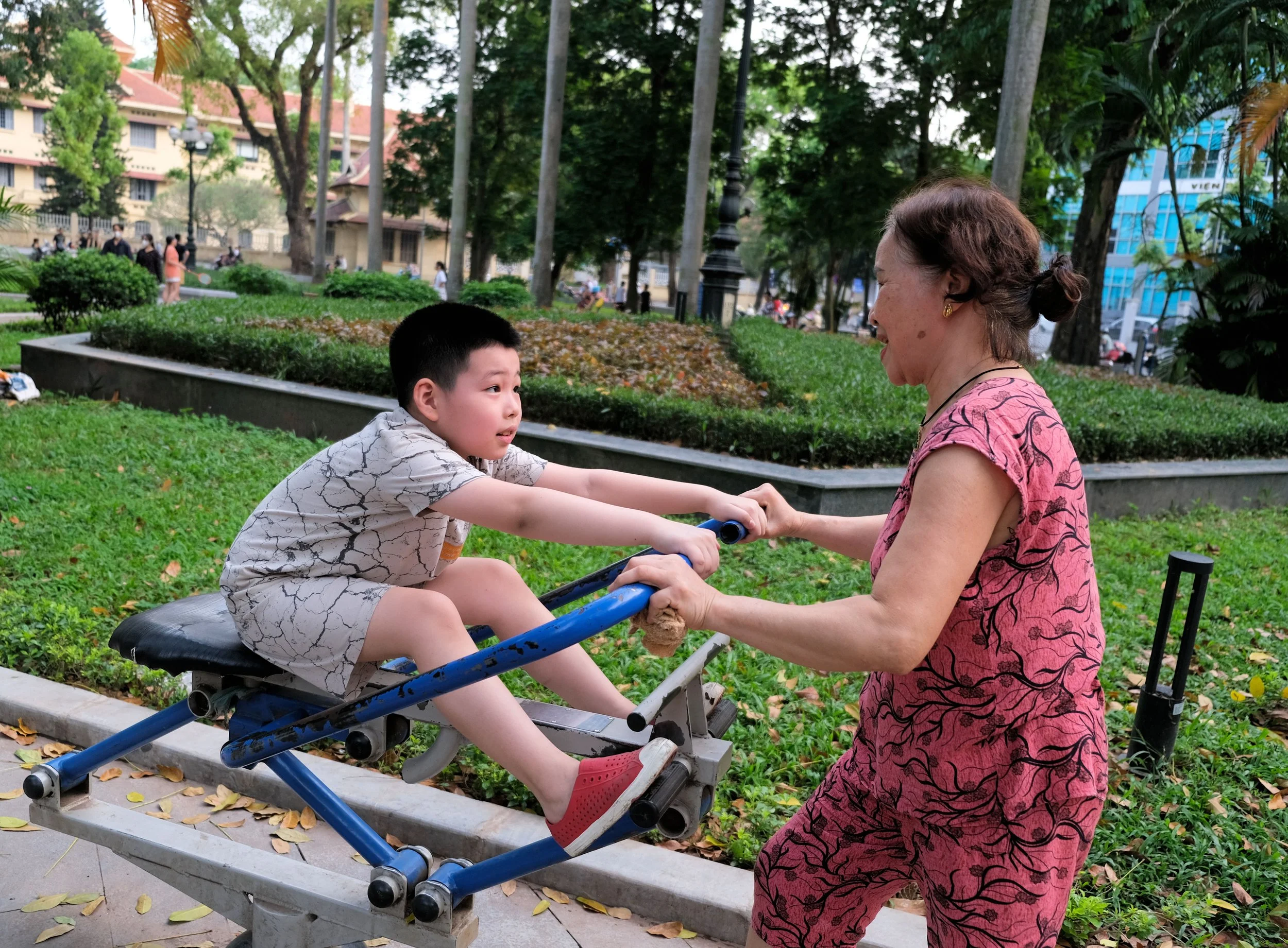
Con
Con is only used to refer to yourself when the person you’re talking to is being referred to as bà/ông or bác. If you’re talking to someone old enough to be your grandma or grandpa or your older aunt or uncle you would refer to yourself as con. You can also use con to refer to young kids, which is seen as friendly.
Example: Con dễ tương quá! You’re so cute!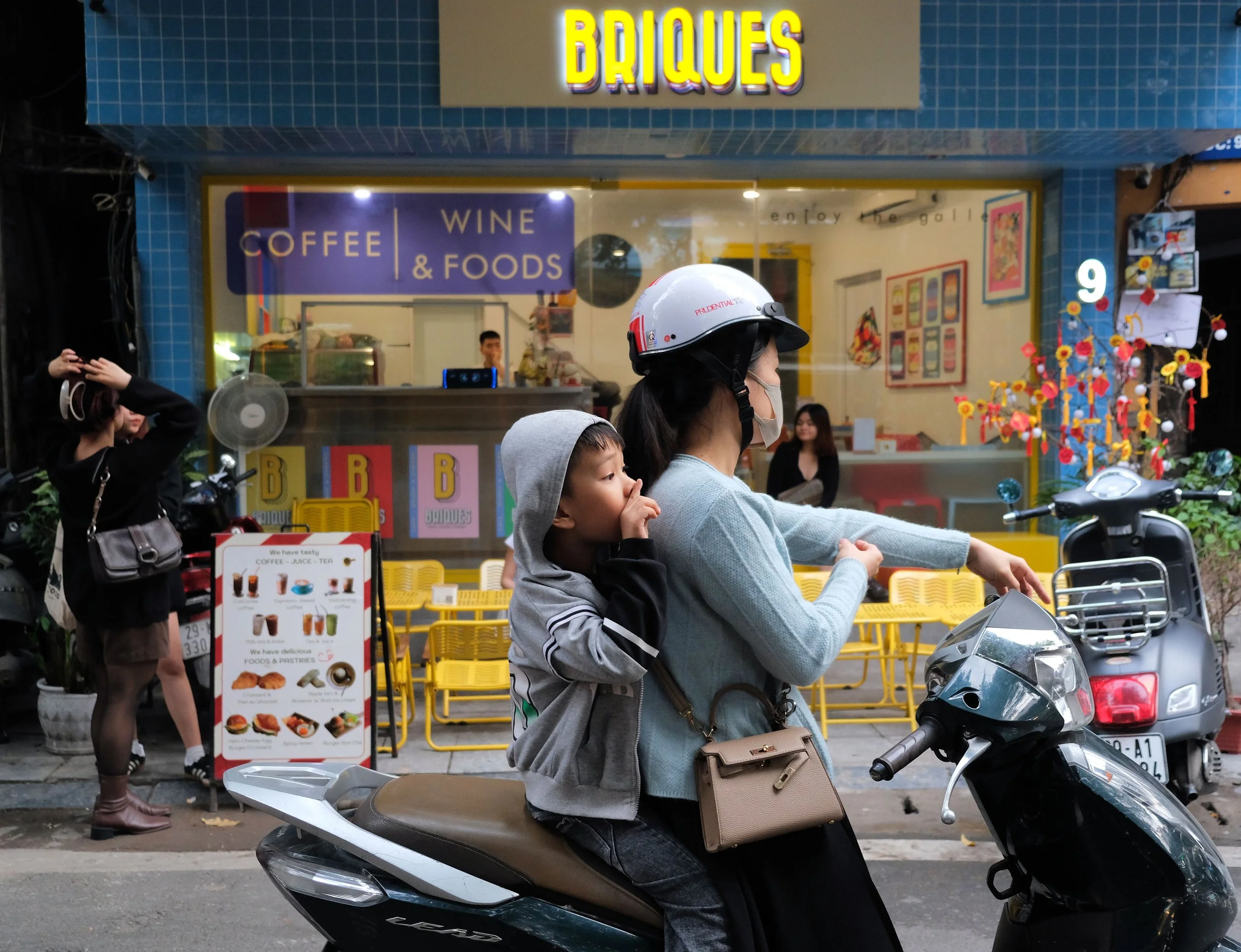
How Old Are You?
In Vietnam “how old are you?” is one of the first things people will ask you. It’s not seen as impolite, it’s simply so people know what to call you. And so they can compliment you on how young you look, hehe. If you’re having more of an extended conversation with someone and you aren’t quite sure if they’re older, younger, or the same age as you and you don’t want to keep guessing what to call them, then just ask how old they are.
Bao nhiêu tuổi? How old are you?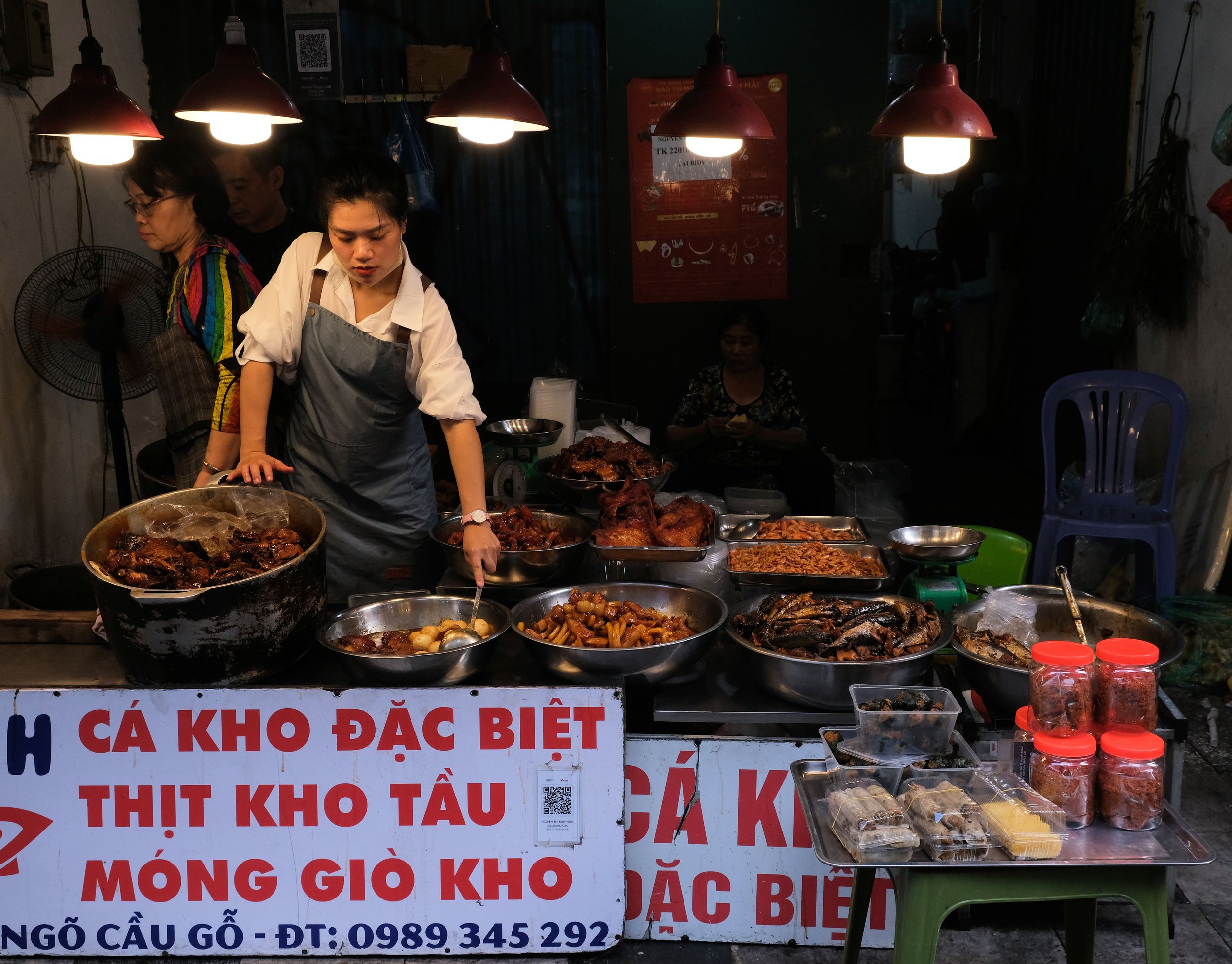
If you go even deeper with your Vietnamese studies then you’ll learn there are even more possible pronouns than what I’ve included in this post. There’s one pronoun in particular that still confuses me: nó. It means “it” but in addition to being used for objects it’s also used for people and pets. So basically anything and everything can be called nó.
It gets really complicated in families when the usual rules about age and pronouns don’t apply and instead it all depends on birth order. For instance, if one of your parents is the first born in their family and you have cousins that happen to be older than you they would have to call you chị or anh instead of em because of the birth order hierarchy. Even Vietnamese people get confused about what to call their family members sometimes.
Not to worry though, the pronouns I’ve included in this post are definitely the most common that you’ll hear and all you need to know for speaking with people of all different ages on your trip to Vietnam. I hope this guide is helpful to you and that you can refer back to it while you’re in Vietnam walking through the wet market and you forget what you should call the guy you see selling the famous stinky fruit you’ve been dying to try.
If you’re Vietnamese and you’re reading this please let me know if there’s anything I got wrong or left out. And if you’re not Vietnamese but interested in the language and culture and want to see more posts like this, I’d love to know that too. Thank you so much for reading.
Cảm ơn rất nhiều mọi người! Thank you so much everyone!